How to Make Spice Blends at Home: A Beginner's Guide
Let me guess: your spice rack looks like a mini graveyard of half-used jars from 2012, right? You buy a whole container of cumin for one recipe and then... crickets. Been there, done that, still dodging the expired paprika.
Making your own spice blends at home isn't just about feeling like a wizard in the kitchen (though, yes, it's totally magical). It saves money, lets you control what goes in your food, and honestly, it just tastes better. So, if you're ready to stop paying for pre-blended taco seasoning that's mostly salt, buckle up. Let's mix things up, literally.
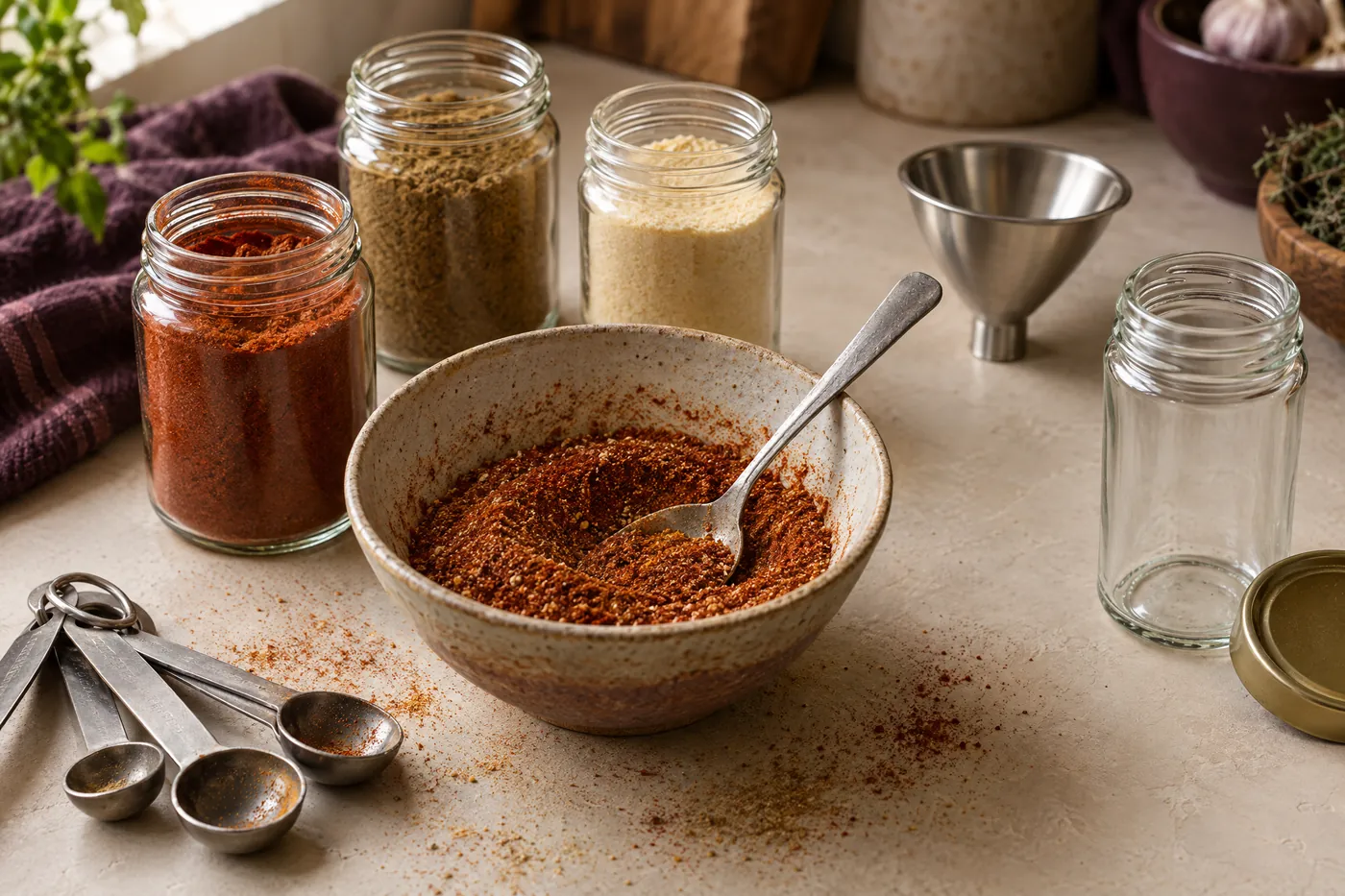
Why Bother Making Your Own Spice Blends?
- Control the salt and sugar levels
- Skip the preservatives and weird additives
- Customize flavors exactly to your taste
- Save serious money in the long run
Plus, making your own blends means you're halfway to becoming the friend who always "just knows" how to season everything. You know, that friend.
Pantry Must-Haves: The Spice MVPs
The Essentials (Start Here):
- Salt (kosher or sea salt)
- Black pepper (freshly ground if you're fancy)
- Paprika (smoked and/or sweet)
- Garlic powder
- Onion powder
- Cumin
- Cinnamon
- Chili powder
- Oregano
- Thyme
Nice-to-Haves (If You're Feeling Fancy):
- Coriander
- Turmeric
- Cayenne
- Nutmeg
- Mustard powder
- Ginger (ground)
Pro Tip: Buy your spices in bulk at international or health food stores. You'll get fresher stuff for a fraction of the price. Your wallet and your taste buds will thank you.
Tools You Actually Need (Spoiler: Not Many)
- Measuring spoons
- A small mixing bowl
- A funnel (unless you enjoy spice avalanches)
- Empty jars or airtight containers
- Labels (unless you enjoy mystery blends, which... bold choice)
Repurposed baby food jars work great. Or mason jars if you're aiming for that Pinterest aesthetic.
A Simple DIY Spice Blend to Get You Started
Taco Seasoning
Great for: Ground beef, beans, roasted veggies, tacos (duh)
- 1 tbsp chili powder
- 1 tsp cumin
- 1 tsp paprika
- 1 tsp oregano
- 1/2 tsp garlic powder
- 1/2 tsp onion powder
- 1/4 tsp cayenne (optional)
- 1 tsp salt
- 1/2 tsp black pepper
Making your own spice blends might sound fussy at first, but it's honestly one of those small kitchen upgrades that make a huge difference. Plus, it's low-stakes, super customizable, and kinda fun.
Key Takeaways:
- DIY blends taste better and save money
- You only need a few spices to start
- Label everything (seriously)
- Customize based on your vibe and your meal
Now go forth and spice boldly. Your taste buds are counting on you.
FAQs
How do I know if a spice is still good?
Give it a sniff. If it smells like nothing or vaguely like dust, toss it. Fresh spices = flavorful food.
Can I use fresh herbs instead of dried?
Not in spice blends meant for storage. Fresh herbs go bad quickly. Save them for cooking.
What's the best way to grind whole spices?
Use a coffee grinder (dedicated to spices) or a mortar and pestle. Don't use your actual coffee grinder unless you love cinnamon-flavored espresso.
Are spice blends gluten-free?
Yep, if you make them yourself. Some store-bought ones sneak in additives, so DIY is the safest bet.
How do I prevent clumping in blends?
Store them in a cool, dry place. You can also add a few grains of uncooked rice to the jar to absorb moisture (just don't eat them).
How this was checked
Cedrick Reese publishes this guide for Ready Utilities. The pantry list, the tools, and the tips come from general kitchen practice rather than a specific source, so the guide cites none. The taco seasoning here is the version the article has always used; the blend calculators on this site are different, because each one scales a single named published recipe with every amount credited. The guide is reviewed when that approach changes.