How to Taste and Adjust Seasoning Like a Chef
Seasoning is rarely perfect on the first try. Even professional chefs rely on tasting, re-tasting, and making thoughtful adjustments throughout the cooking process. Here's how to sharpen your tasting skills and troubleshoot common issues in real time.
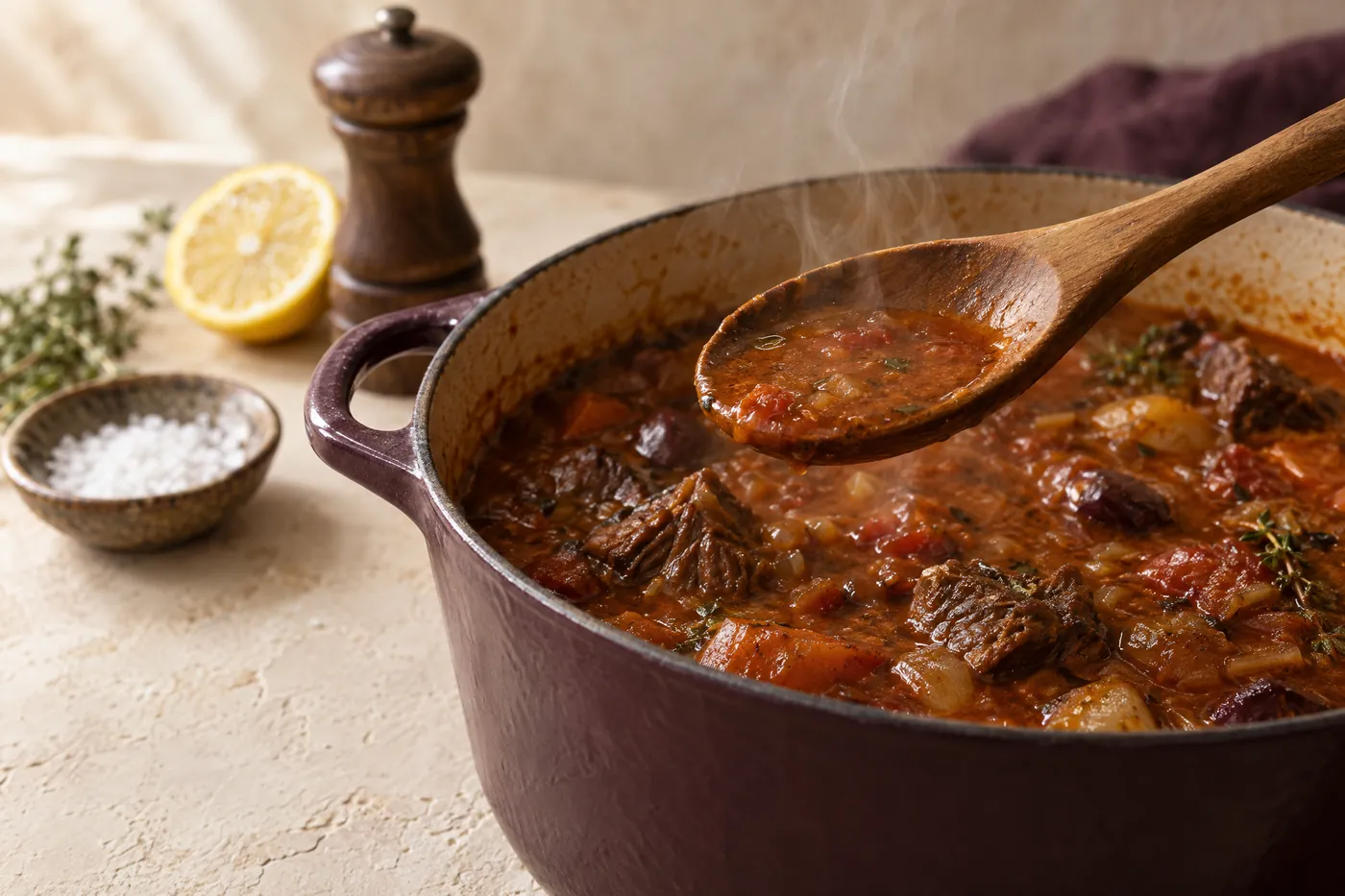
Step-by-Step Tasting Process
- Taste with a clean palate (and not when you're hungry).
- Ask: Is it salty, sour, spicy, bland, sharp, rich?
- Take small bites with rest time between tastes.
- Note what's missing, not just what's wrong.
Common Problems & Fixes
- Bland: Add salt or umami (miso, soy sauce)
- Flat or heavy: Add acid (lemon, vinegar)
- Too sharp: Add fat (cream, oil)
- Too spicy: Stir in yogurt, butter, or coconut milk
- Too salty: Add potato, rice, or a splash of cream
Build Your Adjustment Chart
Make a simple grid like this to keep on your fridge:
- Too bland → salt or soy sauce
- Too fatty → acid or chili
- Too spicy → dairy or sweetness
- Too dry → olive oil or broth
Keep practicing! Over time, your palate will get sharper and your confidence in adjusting dishes on the fly will grow.
Want a shortcut? Build better flavor from the start using our Spice Blend Calculator.
How this was checked
Cedrick Reese publishes this guide for Ready Utilities. The tasting process and the fixes are general kitchen practice rather than figures from a specific source, so the guide cites none. It is reviewed when the seasoning guidance elsewhere on the site changes.